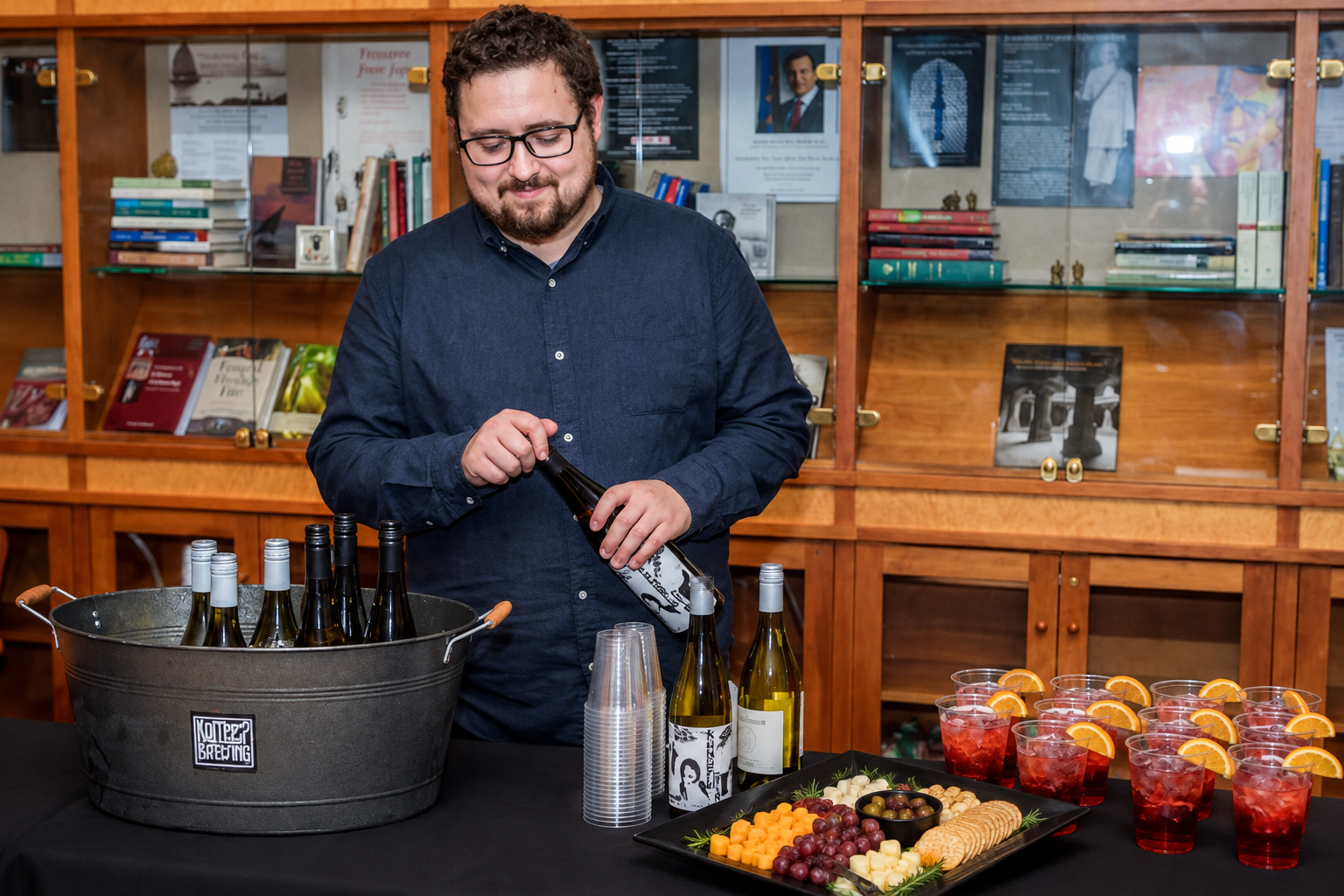
Planning a corporate gathering that leaves a lasting impression involves more than just booking a venue and sending invitations. The culinary experience, especially when paired with expertly managed liquor service, sets the tone for networking, productivity, and brand perception. This handbook walks event planners through the essential steps of designing, budgeting, and executing seamless catering for corporate events, with a focus on integrating liquor catering in a way that enhances professionalism while staying compliant with regulations.
Understanding the Scope of Corporate Catering
Corporate events vary widely: from intimate board meetings and product launches to large-scale conferences and holiday parties. Each format demands a tailored approach to food service, timing, and beverage control. Recognizing the event’s purpose, audience demographics, and logistical constraints is the first step toward a successful culinary plan.
Key Considerations
- Event type and agenda: Breakfast briefings require quick, portable options; evening networking sessions benefit from a more relaxed, cocktail-style service.
- Guest profile: Dietary restrictions, cultural preferences, and alcohol tolerance levels must be accounted for in the menu.
- Venue capabilities: Kitchen access, power supply, and local licensing rules influence menu complexity and liquor service.
- Budget allocation: Determine the percentage of the overall budget dedicated to food versus beverage to avoid overspending.
Designing a Menu That Works
A well-crafted menu balances flavor, presentation, and practicality. For corporate settings, the focus should be on dishes that are easy to eat while standing or moving, and that pair well with a curated beverage program.
Food Formats for Different Event Phases
- Breakfast & morning sessions: Fresh fruit, yogurt parfaits, artisanal pastries, and protein-rich options like smoked salmon or egg white frittatas.
- Mid-day luncheons: Build-your-own salad stations, gourmet sandwich trays, and warm entrees served in insulated containers.
- Afternoon breaks: Light snacks such as mixed nuts, veggie crudités, and mini desserts to sustain energy.
- Evening receptions: Elegant hors d’oeuvres, bite-size sliders, and seasonal skewers that complement a cocktail program.
When the event extends into the evening, integrating cocktail hour catering becomes a strategic move. Small, flavorful plates encourage conversation and keep guests satisfied while they mingle.
Liquor Catering: Elevating the Experience
Professional liquor catering goes beyond simply providing a bar. It involves curated drink menus, trained bartenders, and strict adherence to licensing laws. The right approach can reinforce brand identity, showcase seasonal trends, and manage consumption responsibly.
Components of a Successful Liquor Program
- Curated cocktail list: Offer a limited selection of signature cocktails that reflect the company’s colors or themes, alongside classic options.
- Non-alcoholic alternatives: High-quality mocktails, infused waters, and specialty sodas ensure inclusivity.
- Staff expertise: Certified bartenders who can advise guests, control portion sizes, and maintain a clean service area.
- Compliance: Verify local permits, age verification procedures, and responsible service training.
For planners searching for local expertise, the phrase cocktail hour catering near me often yields providers who understand regional licensing nuances and can source locally distilled spirits.
Logistics and Execution
Even the most creative menu and drink list will fall short without meticulous logistical planning. Coordination between the venue, catering team, and event staff is essential.
Timeline Checklist
- 12 weeks out: Define menu concepts, confirm liquor licenses, and obtain preliminary quotes.
- 8 weeks out: Finalize dietary requirements, select beverage pairings, and schedule tastings.
- 4 weeks out: Confirm staffing levels, equipment rentals (glassware, chillers), and delivery schedules.
- 1 week out: Conduct a final walkthrough with the venue, verify power outlets, and review waste-management plans.
- Day of event: Set up stations, perform a brief staff briefing on service flow, and perform a final quality check before guests arrive.
If the event is in the New Haven area, searching for evening catering New Haven can connect planners with vendors familiar with local venue restrictions and seasonal ingredient availability.
Choosing the Right Service Provider
Selecting a partner that aligns with the event’s objectives is critical. Look for providers that demonstrate flexibility, a track record of corporate work, and transparent pricing.
Evaluation Criteria
- Portfolio relevance: Review case studies of catering corporate events similar in size and industry.
- Client testimonials: Positive feedback from other businesses indicates reliability.
- Service breadth: Ability to deliver both event catering services and specialized catering services for events such as cocktail stations or plated dinners.
- Licensing and insurance: Verify that the vendor holds appropriate liquor licenses and liability coverage.
When searching online, terms like caterers for events and catering services events often surface providers with comprehensive packages that include both food and beverage components.
Budget Management Tips
Balancing quality with cost requires strategic decisions. Here are practical ways to stretch the budget without compromising the guest experience:
- Choose seasonal, locally sourced produce to reduce ingredient costs.
- Limit the number of cocktail variations; a well-executed signature drink can be more memorable than a lengthy list.
- Utilize reusable glassware and biodegradable serving ware to lower rental fees and waste disposal costs.
- Negotiate bundled pricing for food and liquor, many providers offer discounts when both services are contracted together.
Post-Event Follow-Up
The event’s impact extends beyond the final toast. Gathering feedback on both the culinary and beverage experience helps refine future planning.
Feedback Collection Methods
- Digital surveys sent within 24 hours of the event.
- On-site comment cards placed at the exit of the reception area.
- Direct debrief with the catering team to discuss what worked and what could improve.
Analyzing responses can inform adjustments for the next evening event catering project, ensuring continuous improvement and stronger stakeholder satisfaction.
Conclusion
Effective corporate catering and liquor service require a blend of strategic planning, culinary creativity, and regulatory awareness. By following the structured approach outlined in this handbook, defining event goals, crafting appropriate menus, coordinating logistics, selecting the right partners, and measuring outcomes, planners can deliver experiences that reinforce professional image, foster networking, and leave a memorable impression on every attendee.