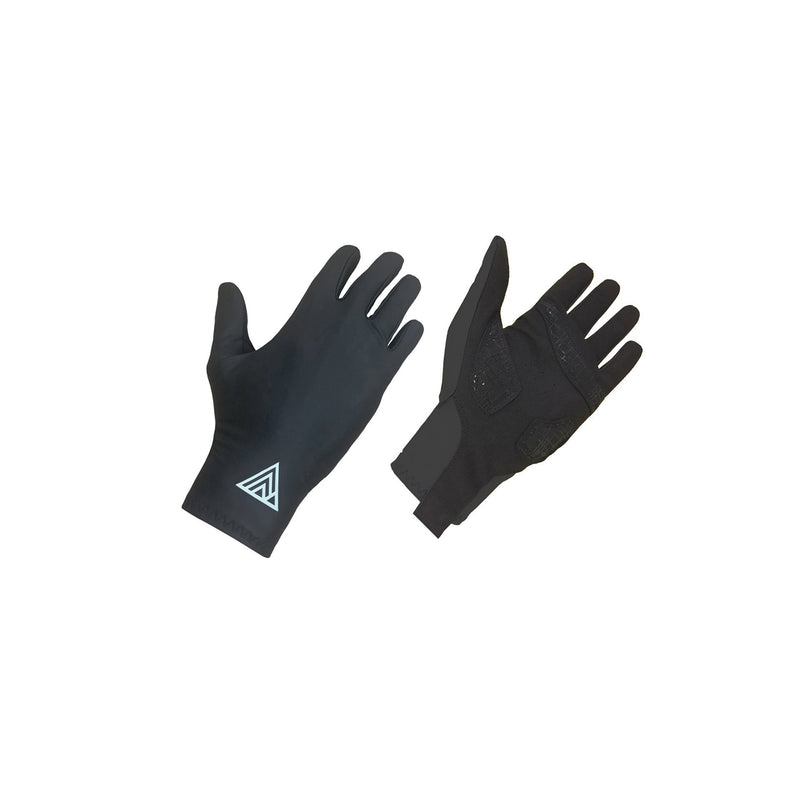
When speed, comfort, and control converge on the road, the choice of gloves becomes a decisive factor. Performance cycling gloves designed with aero principles can shave seconds off a time trial, reduce hand fatigue on long climbs, and provide the tactile feedback needed for precise bike handling. This checklist walks through the essential criteria, materials, fit, ventilation, and technology, so riders can select the perfect pair that complements an aerodynamic riding position without compromising safety or comfort.
Understanding Aero Design in Cycling Gloves
Aero gloves differ from traditional road gloves primarily in three ways: reduced drag, streamlined shape, and integrated technology. By minimizing protruding seams and using low-profile materials, these gloves help maintain a smooth airflow around the hands, which is especially valuable when riding in a tucked position.
Key Aerodynamic Features
- Seamless construction: Welded or bonded panels eliminate raised stitching that can disturb airflow.
- Low-profile padding: Thin, strategically placed gel inserts protect the palms while keeping the hand’s silhouette slim.
- Integrated silicone grips: Placed only where needed to avoid excess bulk.
- Ventilation slots: Narrow, aerodynamic vents that channel air without creating turbulence.
Core Buying Checklist
1. Material & Construction
- Fabric technology: Look for high-tenacity ripstop nylon or lightweight polyester blends that resist tearing and stretch minimally.
- Grip surface: Silicone or rubber pads should be positioned on the thumb and index finger for secure brake and shift control.
- Durability: Reinforced palm zones extend the glove’s lifespan, especially under repeated pressure from brake levers.
2. Fit & Ergonomics
- Size accuracy: Measure hand circumference and compare with the brand’s sizing chart; a snug fit prevents excess movement that creates drag.
- Pre-curved fingers: Mimic the natural hand position in an aero tuck, reducing the need for the rider to flex the fingers.
- Adjustable closures: Velcro or silicone straps allow fine-tuning of tension without adding bulk.
3. Ventilation & Temperature Management
- Micro-perforations: Small, evenly spaced holes promote airflow while preserving the glove’s sleek profile.
- Moisture-wicking liners: Keep hands dry, which is crucial for maintaining grip during long rides.
- Thermal regulation: Some models incorporate thin insulating layers for cooler conditions without sacrificing aerodynamics.
4. Technology Integration
- Touch-screen compatibility: Conductive fingertips allow navigation of bike computers or smartphones without removing gloves.
- Reflective elements: Low-profile reflective stitching improves visibility without disrupting airflow.
- Smart sensors: A few premium options embed heart-rate or power sensors, but ensure they do not add unnecessary thickness.
5. Weight & Packability
- Lightweight design: Aim for gloves under 80″?grams; excess weight can affect handling and overall bike balance.
- Compressibility: Gloves that fold into a small pocket are convenient for race day transitions.
Choosing the Right Pair for Specific Riding Scenarios
Different cycling disciplines demand nuanced glove features. Below are recommendations aligned with common use cases.
Time Trials & Triathlons
- Prioritize ultra-low drag and a tight fit.
- Seek gloves with minimal padding, just enough to protect the palm without bulking the hand.
- Consider models marketed as aero cycling gloves for the most streamlined options.
Road Racing
- Balance aerodynamics with comfort for longer durations.
- Look for a thin gel layer that absorbs vibration from rough pavement.
- Gloves labeled cycling race gloves often incorporate this balance.
Endurance Events & Gran Fondos
- Focus on moisture management and ergonomic support.
- Ventilated designs with breathable liners keep hands cool.
- Pairs described as performance cycling gloves typically excel in these areas.
Climbing & Hilly Terrain
- Grip is paramount; ensure silicone pads are positioned for brake lever control.
- A slightly thicker palm may be acceptable if it improves feel.
- Search for best aero cycling gloves that still retain a secure grip.
Maintenance & Longevity Tips
- Hand washing only: Use mild detergent, avoid fabric softeners that can degrade grip surfaces.
- Air dry flat: Heat can warp silicone pads and affect fit.
- Inspect seams regularly: Early detection of wear prevents sudden failure during a ride.
Final Thoughts
Selecting the ideal pair of aero gloves involves more than a quick glance at the label. By evaluating material quality, fit precision, ventilation efficiency, and any integrated technology, cyclists can ensure that their hands remain aerodynamic, comfortable, and protected across every mile. Whether the goal is to chase a personal best in a time trial, dominate a road race, or simply enjoy a long weekend ride, the right gloves, found among the selections of cycling aero gloves and aero gloves cycling, will become an indispensable part of the performance toolkit.