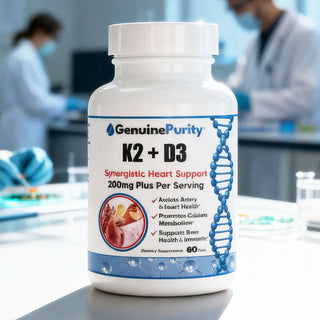
Maintaining a healthy heart is more than just avoiding illness; it is a lifelong commitment to cardiovascular support that influences every aspect of well-being. From the steady rhythm that powers daily activities to the subtle signals that warn of potential problems, the cardiovascular system requires consistent care. By understanding the mechanisms behind heart health and adopting evidence-based practices, individuals can protect their most vital organ and enjoy a higher quality of life.
Why Cardiovascular Support Matters
Cardiovascular support refers to the combination of lifestyle choices, nutritional strategies, and preventive measures that keep the heart and blood vessels functioning optimally. The benefits extend far beyond the heart itself:
- Improved blood flow delivers oxygen and nutrients efficiently to muscles, brain, and organs.
- Reduced risk of hypertension, atherosclerosis, and stroke.
- Enhanced metabolic health, supporting weight management and glucose regulation.
- Greater endurance and energy levels for everyday tasks and exercise.
Key Components of Effective Cardiovascular Support
1. Balanced Nutrition
What we eat directly influences blood pressure, cholesterol levels, and inflammation. A diet rich in whole foods provides the building blocks for a resilient cardiovascular system.
- Healthy fats: Omega-3 fatty acids found in fatty fish, flaxseeds, and walnuts help lower triglycerides and support vessel elasticity.
- Fiber-rich foods: Whole grains, legumes, fruits, and vegetables aid in cholesterol management and promote satiety.
- Antioxidants: Vitamins C and E, along with polyphenols in berries and dark chocolate, combat oxidative stress that can damage arterial walls.
For curated supplement options that complement a heart-healthy diet, Discover expert strategies here.
2. Regular Physical Activity
Exercise stimulates the heart muscle, improves vascular flexibility, and regulates blood pressure. Both aerobic and resistance training are valuable:
- Aerobic workouts such as brisk walking, cycling, or swimming elevate heart rate and enhance circulation.
- Resistance training builds muscle mass, which improves insulin sensitivity and supports overall metabolism.
- Consistency matters, aim for at least 150 minutes of moderate-intensity activity per week.
Guidelines and practical tips for integrating movement into a busy schedule can be Learn about our tailored solutions.
3. Stress Management & Sleep Quality
Chronic stress elevates cortisol, which can raise blood pressure and promote inflammation. Quality sleep restores heart rhythm and reduces sympathetic nervous system activity.
- Practice mindfulness, deep-breathing exercises, or yoga to lower stress hormones.
- Maintain a consistent sleep schedule, 7-9 hours per night is ideal for cardiovascular repair.
- Limit caffeine and electronic device exposure before bedtime.
Additional resources on stress reduction techniques are available to Explore advanced guides and tips.
Monitoring Heart Health
Regular assessment helps detect early changes and guides preventive actions. Consider the following monitoring tools:
- Blood pressure checks: Aim for a reading below 120/80 mmHg.
- Cholesterol panels: Keep LDL under 100 mg/dL and HDL above 60 mg/dL when possible.
- Resting heart rate: A range of 60-100 beats per minute is typical; athletes often have lower rates.
- Annual physicals: Discuss family history and any symptoms with a healthcare professional.
For products that support routine monitoring and supplementation, Find out more about this approach.
Integrating Supplements Wisely
While a nutrient-dense diet should be the foundation, certain supplements can fill gaps and provide targeted cardiovascular benefits. Evidence-based options include:
- Coenzyme Q10 (CoQ10): Supports cellular energy production and may improve heart function.
- Magnesium: Helps regulate blood pressure and heart rhythm.
- Plant sterols: Assist in lowering LDL cholesterol when consumed as part of a balanced diet.
- Vitamin D: Emerging research links adequate levels to reduced cardiovascular risk.
When selecting supplements, prioritize high-quality, third-party tested products that align with scientific recommendations. A curated selection can be Explore advanced guides and tips.
Conclusion
Cardiovascular support is a multifaceted endeavor that blends nutrition, movement, stress control, and vigilant monitoring. By adopting these evidence-based practices and integrating appropriate supplements, individuals empower their hearts to function efficiently throughout life. Consistency, education, and proactive care are the cornerstones of a thriving cardiovascular system, ensuring that the heart remains a reliable engine for health and vitality.