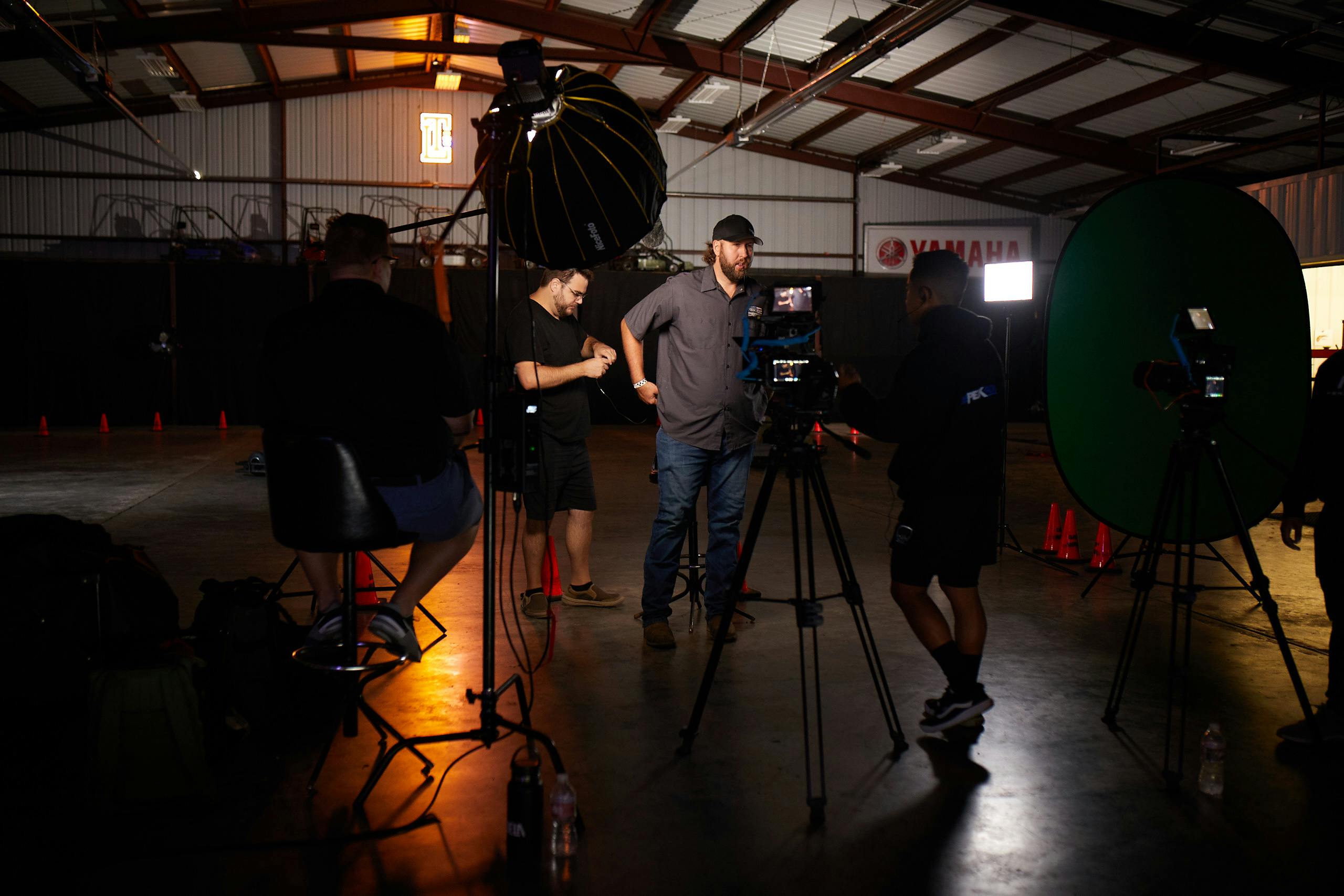
Creating a video recording studio that meets the demanding standards of professional production requires a blend of technical precision, acoustic mastery, and ergonomic design. Whether the goal is to produce high-end corporate videos, cinematic content, or live-streamed events, every element, from soundproofing to lighting, must work in concert to deliver flawless results. This guide outlines the essential considerations, best-practice configurations, and future-ready upgrades that enable studios to operate at the peak of efficiency and quality.
Key Components of a Professional Studio
A well-rounded studio integrates several core systems, each contributing to the overall performance. Understanding how these components interact helps in making informed decisions during the planning phase.
- Acoustic Treatment: Controls reverberation, eliminates standing waves, and ensures a neutral listening environment.
- Lighting Grid: Provides flexible, color-accurate illumination for diverse shooting scenarios.
- Camera Suite: Offers interchangeable lenses, high-resolution sensors, and robust connectivity.
- Audio Capture: Includes shotgun microphones, lavaliers, and field mixers designed for low-noise recording.
- Control Room Architecture: Features calibrated monitors, ergonomic workstations, and seamless routing.
For a deeper dive into equipment selection, Discover expert strategies here.
Acoustic Treatment and Sound Isolation
Sound quality is the foundation of any video production. Professional studios employ a layered approach to acoustic control that balances absorption, diffusion, and isolation.
Absorption and Diffusion
- Broadband absorbers placed at first reflection points to tame early echoes.
- Quadratic residue diffusers on rear walls to preserve natural ambience without coloration.
- Bass traps in corners to mitigate low-frequency buildup.
Isolation Techniques
- Decoupled wall assemblies using resilient channels and double-leaf drywall.
- Floating floors with neoprene pads to prevent structure-borne vibrations.
- Acoustic doors with automatic seals for seamless access.
Guidelines for implementing these solutions are detailed in the studio’s resource library; Learn about our tailored solutions.
Lighting Design for Video Production
Lighting not only illuminates the subject but also shapes mood, depth, and visual storytelling. A professional setup should be adaptable, color-accurate, and energy-efficient.
- LED Panels: Offer adjustable color temperature (3200″?K-5600″?K) and high CRI for true-to-life rendering.
- Softboxes and Diffusers: Provide even, soft light that reduces harsh shadows.
- Spotlights and Fresnel Lenses: Enable precise control for dramatic highlights.
- DMX Control: Centralizes lighting adjustments, allowing for programmable scenes and remote operation.
For a step-by-step lighting workflow, Explore advanced guides and tips.
Camera and Recording Equipment
Choosing the right camera system hinges on resolution needs, dynamic range, and workflow compatibility. Modern professional studios often combine multiple camera formats to maximize flexibility.
- 4K/8K Cinema Cameras: Deliver high-resolution footage with log profiles for extensive color grading.
- Mirrorless Interchangeable-Lens Cameras: Offer compact form factors while maintaining large sensors.
- External Recorders: Capture RAW or ProRes streams directly to SSDs, preserving image fidelity.
- Monitoring Solutions: Use calibrated reference monitors and waveform scopes for real-time quality checks.
Technical specifications and integration tips can be found at the studio’s equipment guide; Find out more about this approach.
Workflow Optimization and Post-Production Integration
Efficient pipelines reduce turnaround time and minimize errors. The following practices streamline the journey from capture to delivery.
File Management
- Implement a standardized naming convention that includes date, project code, and camera identifier.
- Utilize RAID-configured storage for redundancy and fast data access.
- Automate backup routines to off-site cloud services.
Color Grading and Audio Mixing
- Adopt DaVinci Resolve or similar color-grading platforms that support collaborative workflows.
- Integrate a digital audio workstation (DAW) with video sync capabilities for seamless sound design.
- Leverage LUT libraries to maintain visual consistency across multiple shoots.
Comprehensive workflow diagrams are available through the studio’s learning portal; Discover expert strategies here.
Future-Proofing Your Studio
Technology evolves rapidly; a forward-thinking studio anticipates upgrades without requiring a complete redesign.
- Modular Rack Systems: Allow quick insertion of new codecs, converters, or network interfaces.
- IP-Based Video Transport: Supports NDI or SMPTE 2110 for low-latency, high-bandwidth streaming.
- Scalable Lighting Controls: Cloud-managed DMX networks enable remote programming and firmware updates.
- Green Screen and Virtual Production: Allocate space and power for LED walls and real-time rendering engines.
Strategic planning resources that address these trends are accessible via the studio’s advisory page; Learn about our tailored solutions.
Conclusion
Designing a video recording studio for professionals is a multidisciplinary endeavor that balances acoustics, lighting, camera technology, and workflow efficiency. By adhering to proven industry standards, integrating adaptable infrastructure, and staying attuned to emerging tools, studios can consistently deliver broadcast-quality content while remaining agile enough to meet future production demands.